

Design great experiences .
Hi, I’m Dr Andrew May and I lead our UX Design Master’s Programmes in the School of Design and Creative Arts, Loughborough University. I am a Senior Lecturer and have over 20 years of industry and academic experience in UX.
You are in the right place if you are thinking about a UX master's degree, want to do a PhD, or would like to work together on human-centred projects.

Happy to answer any questions about studying UX Design at Loughborough, or working with us.
Study, research or collaborate with us .
Want a career in UXD ?
Great plan! User Experience Design (UXD) is about creating products and services that people love. Often you've got to dig deep to understand how to create great experiences. UXD is much more than designing user interfaces. It is about discovering the clever insights about people that let you design products/services that transform their lives. Tech like AI will make UXD even more important, not less important!
UX and UI Designers will be the 8th fastest-growing jobs by 2030.
Below are the concerns we hear from applicants every year — and the ones our programmes are specifically designed to answer:
You want to design for people but aren't sure how to progress your career.
You worry about staying relevant in a world being reshaped by AI.
You have some UX experience but need more expertise to stand out in a crowded market.
OR - You don't have a design background and wonder if UX is the right move.
You want real industry projects — not just classroom exercises.
Choosing the right programme is a big decision, and you want to get it right.
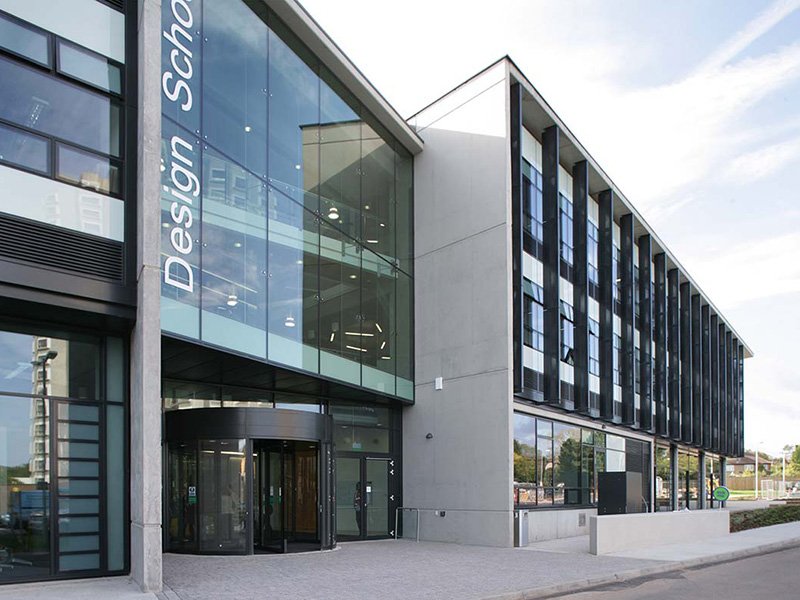
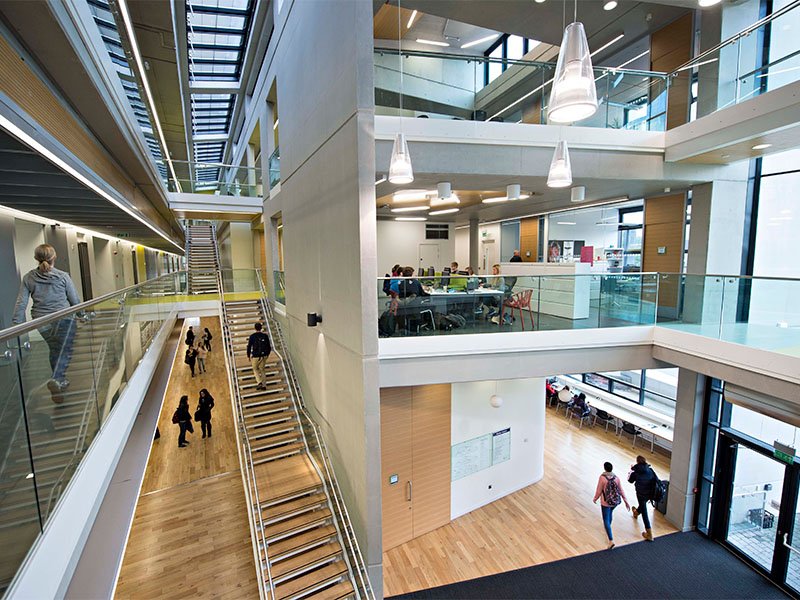
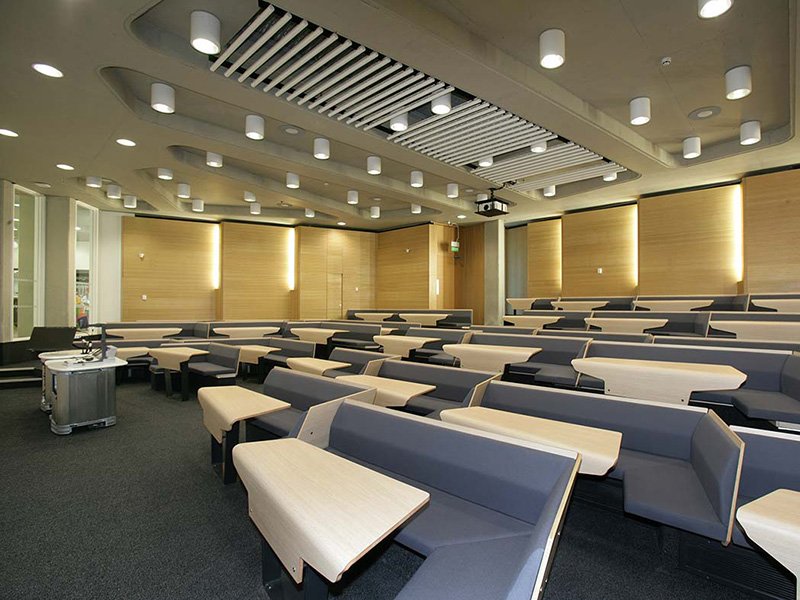
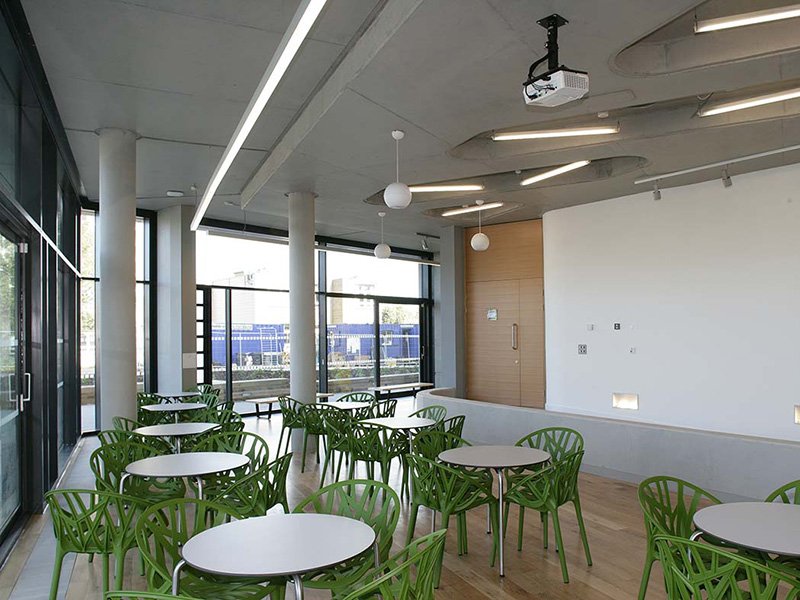
We can help you succeed in UX .
Loughborough University is an excellent place to study UX design, with knowledgeable and supportive faculty.
The School of Design and Creative Arts at Loughborough University can help you develop your career in UX/Service Design. Here's how we rank against other UK and international design schools.
The Complete University Guide 2027
QS World University Rankings by Subject 2026
Expert staff
Delivered by academics and industry practitioners, and specialist tutors.
Choose your UX specialism
Select a particular UX specialism, according to your career plans or interests.
Get an MA or an MSc qualification
Choose to graduate with either an MA or an MSc, according to your preferences.
Gain industry experience
We offer live projects that you do with companies.
Get job ready
Develop the skills and a portfolio of work that will help you get the job you want.
Develop your contacts
Become part of a large network of UX and design professionals.
Choose your UX pathway .
We offer 2 programmes: UX & Service Design and UX Design. Both programmes share the same core teaching in UX research, experience design and live industry practice. The difference is the specialism you choose.
Either programme can lead to an MA or an MSc. The qualification depends on the modules you take for your major project: a design-led pathway for the MA, or a more research-led pathway for the MSc.
UX & Service Design MA or MSc
Build strong UX research and design skills, then specialise in service design. You will learn to understand complex systems, map end-to-end experiences and design services that work for users, organisations and wider society.
UX Design MA or MSc
Study the same UX core, then choose a specialist pathway that matches your interests and career goals. Current options include inclusive design, immersive technologies, and UX and AI.
What our graduates say .
Students like you succeed .
We have students from all over the world. They win awards and get great jobs. We help you enter UX design competitions, and offer career and portfolio support from previous students and industry professionals.
Get your work recognized
We help students to enter UX design competitions and showcase their work to future employers.
Develop the career you want
We help you get a job as a UX Designer, Service Designer, Product Manager, or other human-focused role.
Your Design School Journey .
Still unsure ?
Here are some common questions about our programmes. If you have a question that isn't answered here, please contact us and we will be happy to help.
-
Why should I choose to study at Loughborough University?
We offer high quality UX Design programmes leading to a respected Masters degree from a top UK university. Our programmes are delivered by UX experts, and are focused on giving you advanced knowledge, skills and experience that will help you get the job you want.
-
What are the 2 UX programmes you offer, and how are they different from each other?
We offer 2 UX programmes. If you do the User Experience and Service Design programme you do a specialism in service design. If you do User Experience Design, then you don't do service design, and instead can choose an alternative specialism.
-
How do I choose between these 2 programmes?
You need to decide if you want to do a service design module or an alternative specialism. If you want to include service design, then choose User Experience and Service Design. If you want to do an alternative specialism, then choose User Experience Design.
-
Can I apply to both programmes?
No, we don't want you to apply to both programmes. We want you to choose the programme that is your preferred option. If you are not sure, then please contact me (details below) and I can help you decide before you apply.
-
Can I change my mind, and switch programmes, after I arrive?
Yes, this is usually OK, but depends on your background, and we will help you choose the one that is best for you.
-
If I choose UX Design, when do I choose my specialism?
You do this after you have started. We run an event a few weeks after you arrive to help you decide.
-
Why do you offer an MA and an MSc?
This gives you greater choice about what qualification you get. The UX programmes at Loughborough are quite unique in offering you the choice of either an MSc or an MA. There are options to do either an MA or MSc for either of the UX programmes.
-
How do I choose between an MA or an MSc award?
Shortly after you arrive, we will explain the differences between an MA award and an MSc award. The key difference is in the type of project you do at the end of your programme. The MA is more big-thinking and generative, whereas the MSc is more analytical and empirical. If you do an MSc, you do a research project, and if you do an MA, you do a design project. Don't worry about this now, as we will help you decide which is better for you when you arrive.
-
Do I need a design background to do UX Design?
No! We will consider applicants with any background. Some of our best students have not done an undergraduate degree in design. All you need is commitment, and a natural curiosity about people and the world, and a desire to design great human-focused products/services.
-
What chance will I have to work with real clients?
You will do a whole design module where you will work as a small team on a real brief set by a client. We also arrange for guest speakers to come in and talk about their work, and there are design jams and competitions that you can enter.
-
Are these programmes based at Loughborough in the Midlands, or the Loughborough campus in London?
These programmes are based at the main Loughborough campus in the Midlands.
Get a world-class education in UX / Service Design.
One-year MA and MSc programmes at Loughborough University. Any background welcome. Choose the programme that fits you and apply on the university portal.
University portal - info and apply
Also with us .
Doctoral research
PhD with us
I've supervised 20+ PhD students and welcome anyenquiries from prospective candidates. I'm particularly interested in supervising research on UX, AI, and human-centred design.
Collaboration
The ways you can work with us
There are many ways for industry and academic partners to work with us, including working with our students, research collaborations, industry partnerships, and consultancy. Design is inherently multidisciplinary and collaborative, and we are always open to exploring new ways to work together.
Research & practice
The intersection of UX design & AI
How I research, teach, and build with AI — keeping people at the centre as it reshapes what we design and how we design it. Includes collaboration opportunities for companies and researchers.
Get in touch .
If you have any questions about studying UX at Loughborough, working with us, or want to come and visit the Design School, get in touch. I would love to hear from you.
My Office
Dr Andrew May (SFHEA)
Design School
School of Design
& Creative Arts
Loughborough University
Loughborough LE11 3TU
United Kingdom
My Phone Number
+44 (0)1509 226906
School Website
School Phone Number
+44 (0)1509 222222
See my Privacy Statement for how I will use your data.